NTNU Trondheim · Autonomous Surface Vessel Team

Student‑built. Self‑stabilising. Fully autonomous.

Ligmax is a student team from the NTNU Department of Electronic Systems building a roll- and pitch-stabilised autonomous trimaran — making its competitive debut at Njord, the Autonomous Ship Challenge, in August 2026.

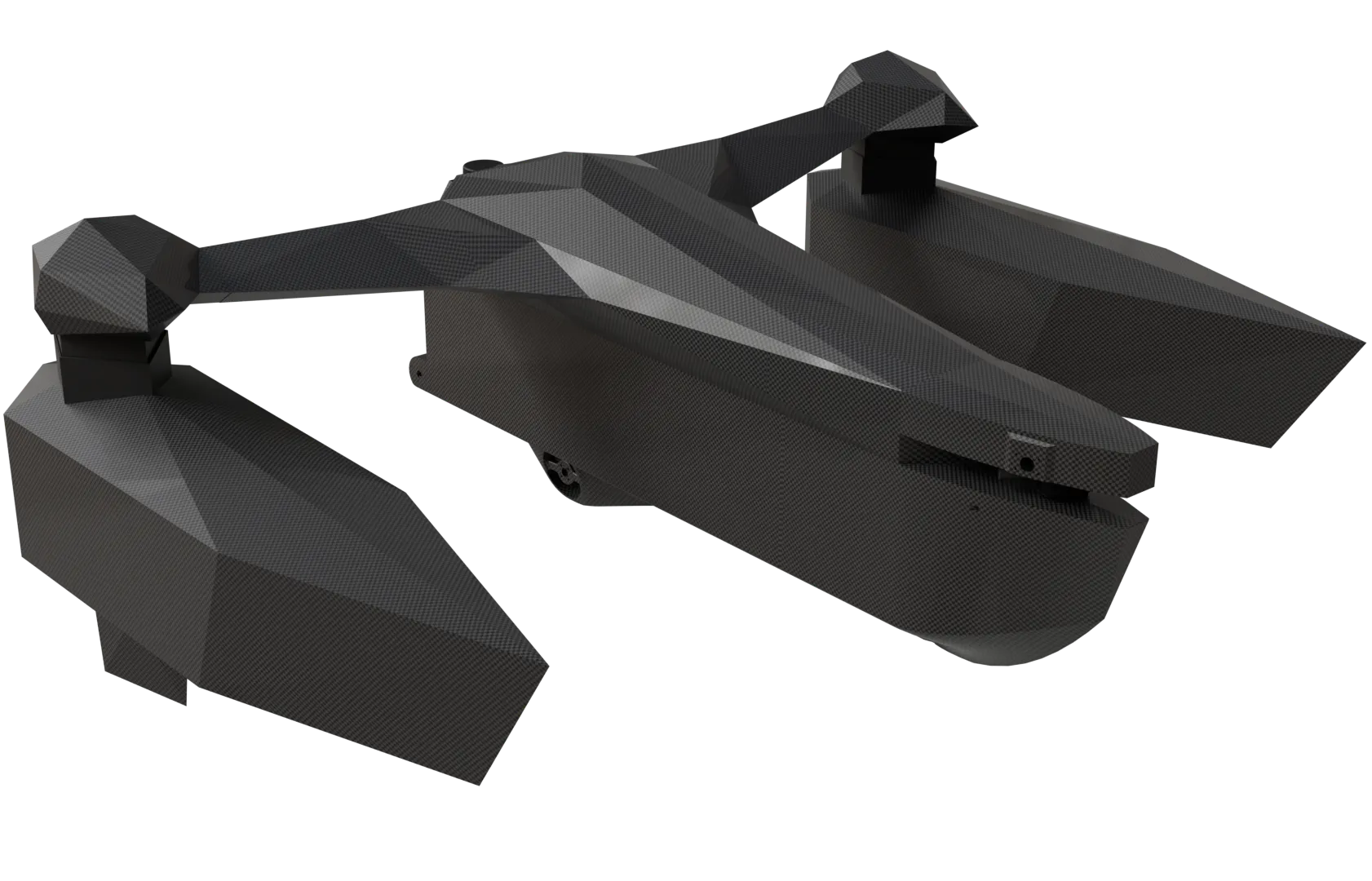
CAD render of the Ligmax autonomous trimaran in carbon fibre
Combined thrust
≈5 kW
Li-ion energy store
1.8 kWh
Lidar coverage
360°
Actively stabilised
3 hulls
Who we are

A multidisciplinary engineering team from NTNU

Team Ligmax brings together students from the bachelor’s and master’s programmes at the NTNU Department of Electronic Systems (Elsys) in Trondheim, Norway. With a strong track record of delivering large-scale technical projects together, we design, build and operate every part of our vessel ourselves — hull, power systems, electronics, perception and autonomy software.

Njord, the Autonomous Ship Challenge, is our first competition arena: a concrete engineering goal on home water and a premier platform to measure our work against international student teams. It marks the start of a longer campaign — Ligmax intends to keep developing the platform and compete in further national and international autonomy challenges.

The vessel

A stabilised trimaran, engineered end to end

A slender central hull carries propulsion, power and compute, while two outriggers provide a wide, stable stance. The platform actively counteracts wave motion, keeping its sensors level for clean perception data and efficient planing.

Technical specifications

Configuration
Roll- and pitch-stabilised trimaran
Dimensions (L × B × H)
1126 × 1252 × 478 mm
Structure
3D-printed PLA, carbon-fibre and epoxy skin
Propulsion
2× 2.5 kW brushless thrusters + lateral stern thruster
Steering
Differential thrust — no rudder
Energy
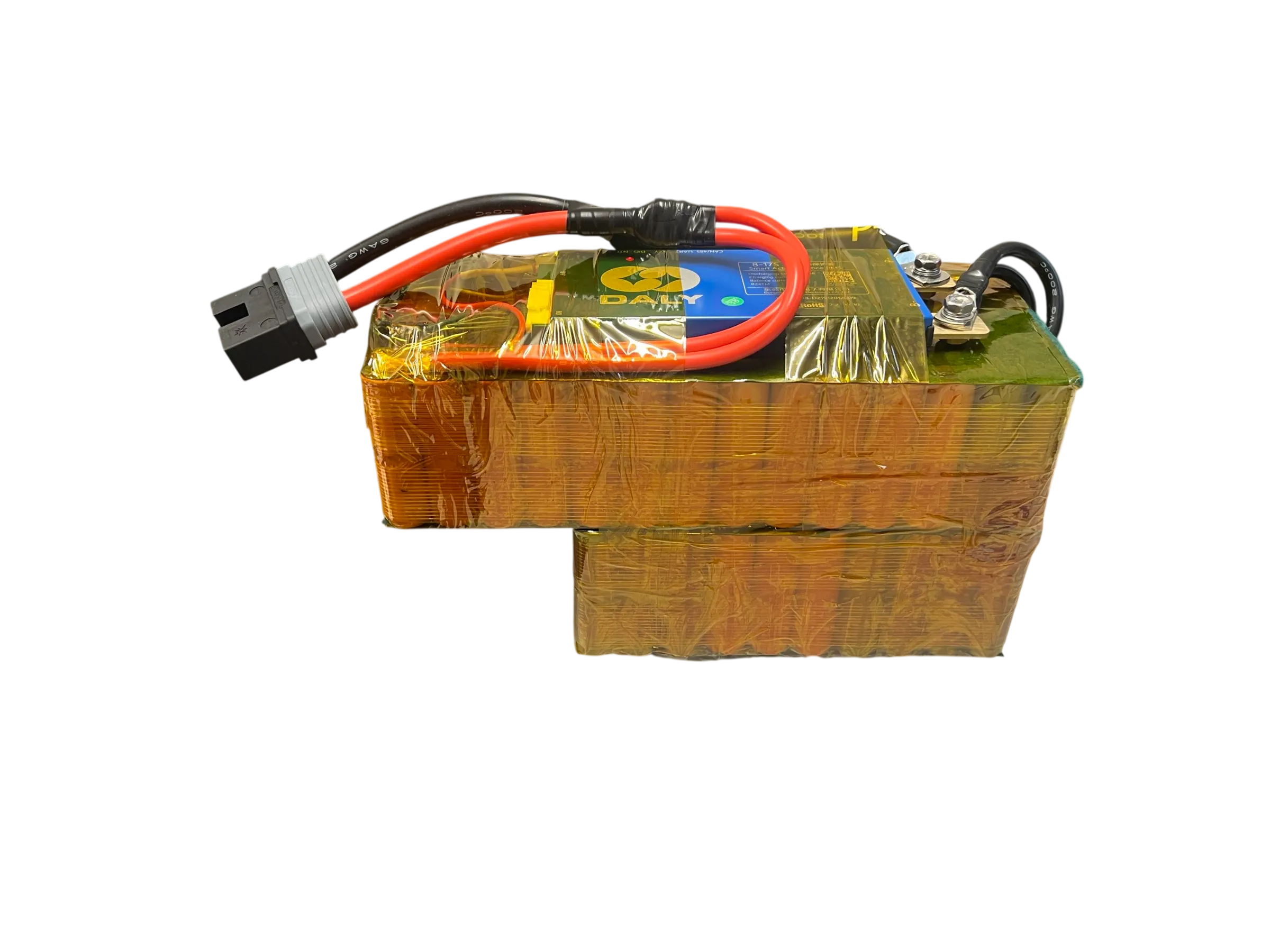
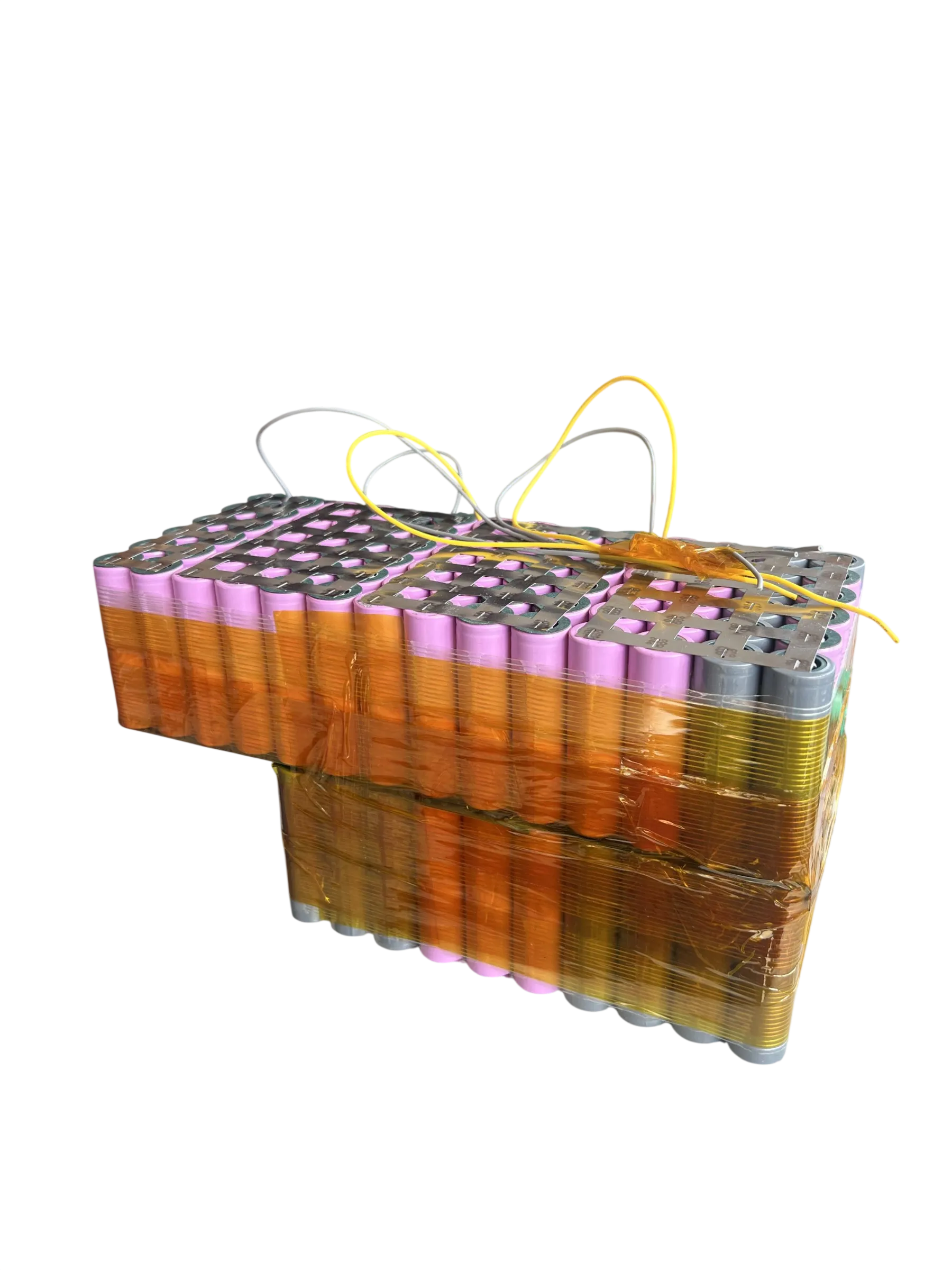
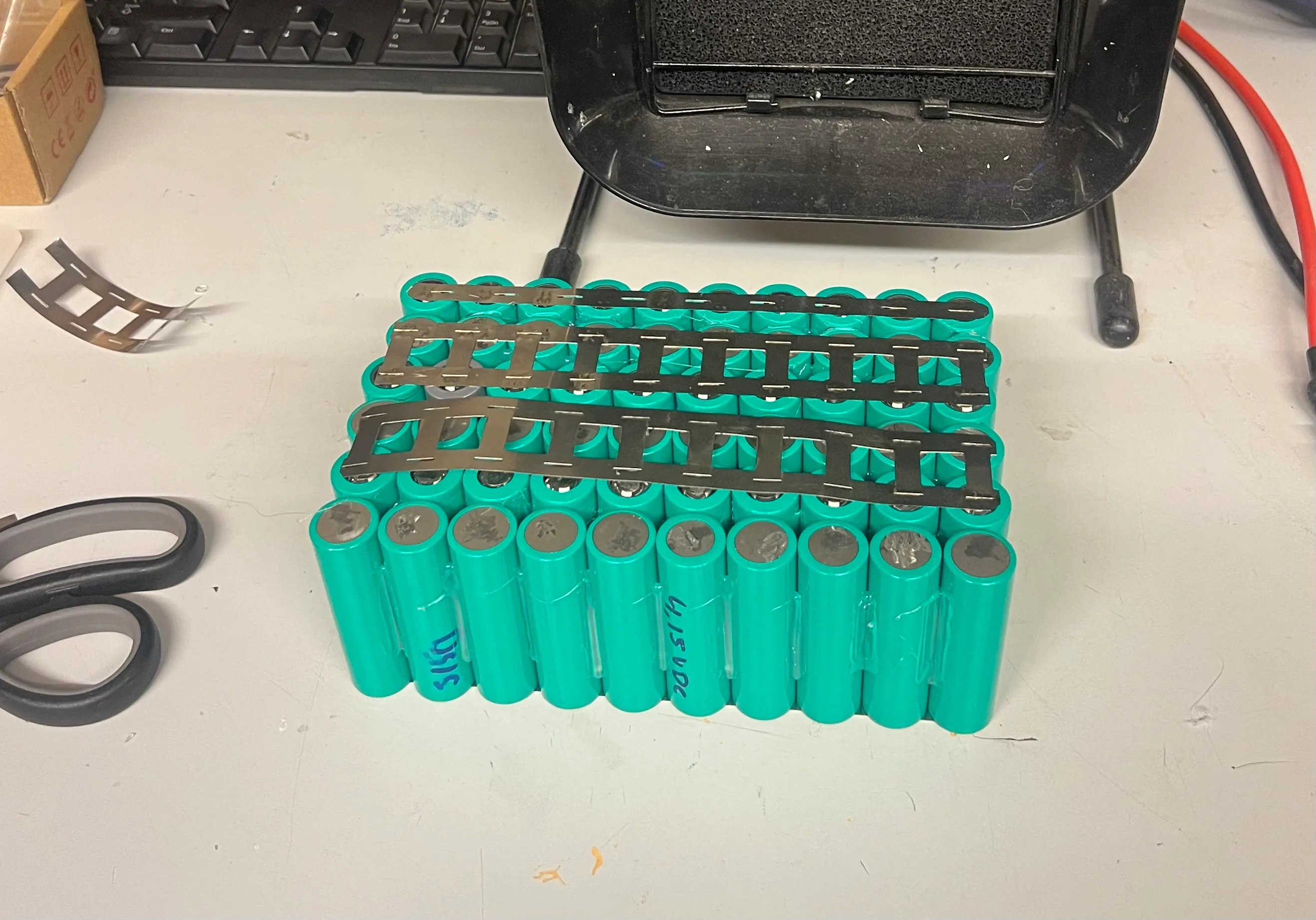
12S12P Li-ion pack, 44.4 V · 1.8 kWh, 150 A BMS
Sensing
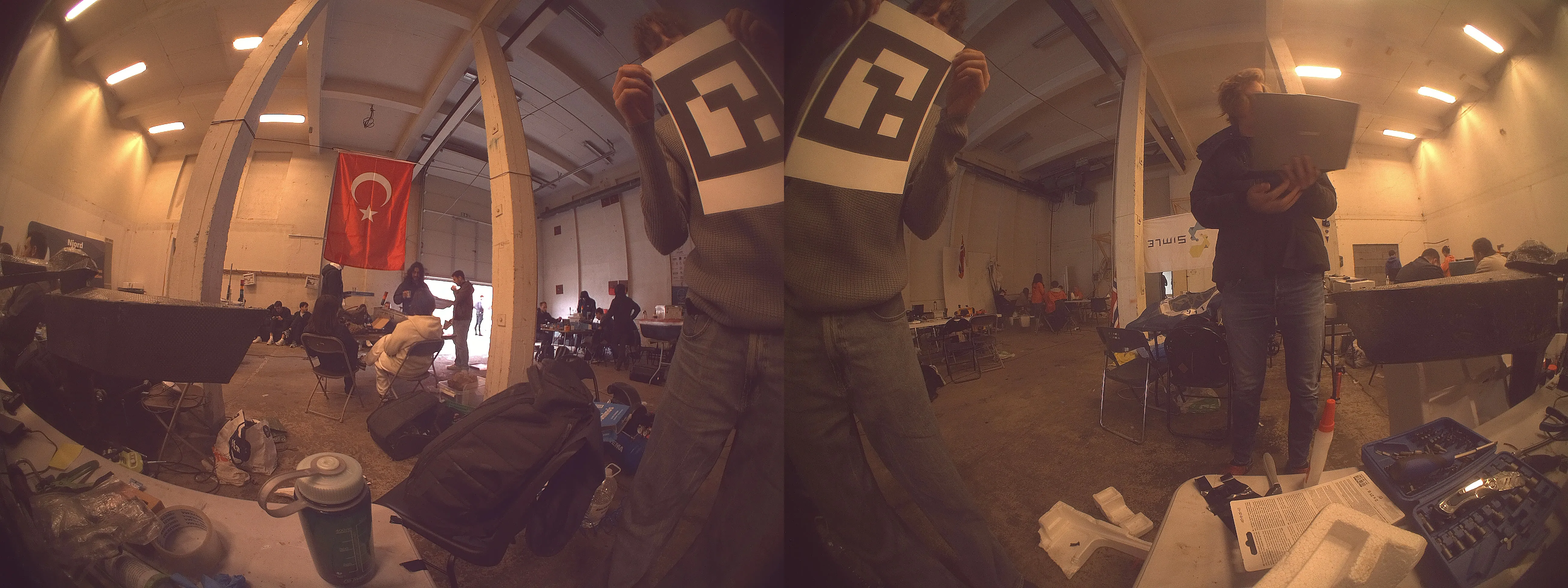
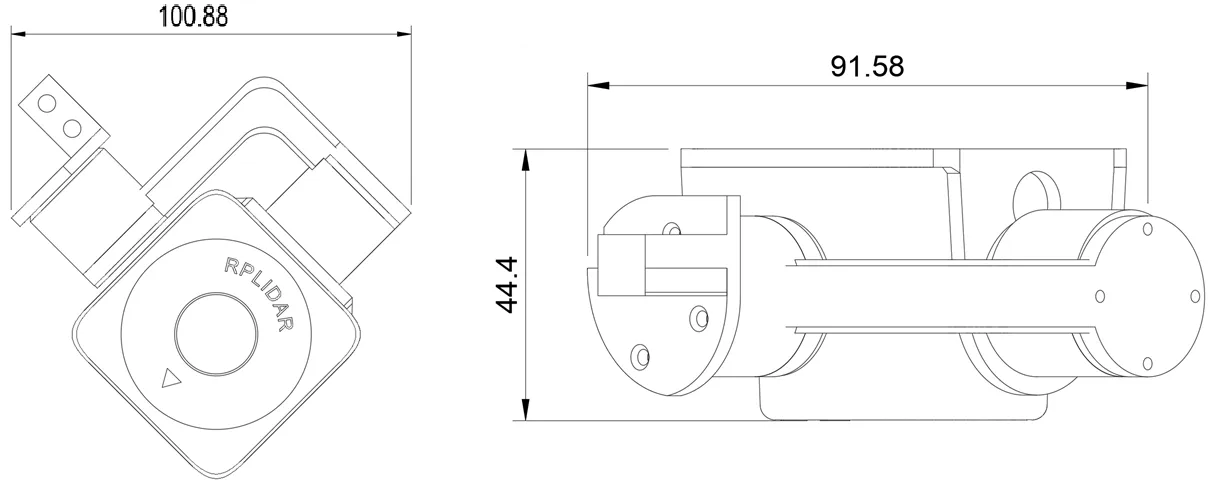
2× 360° lidar, 2× 220° cameras, sonar, GNSS/compass, IMUs
Compute
NVIDIA Jetson Orin Nano Super · Raspberry Pi 5 · Pixhawk 6C
Communications
Direct low-latency 5G link + long-range RC fallback
Read the full technical report (PDF)
Technology

Attacking instability at the source

Most student vessels accept wave motion and try to clean up the data in software. Ligmax holds the boat — and its sensors — level mechanically.

Cutaway render showing the battery sliding fore and aft inside the main hull
Headline innovation

Active stabilisation

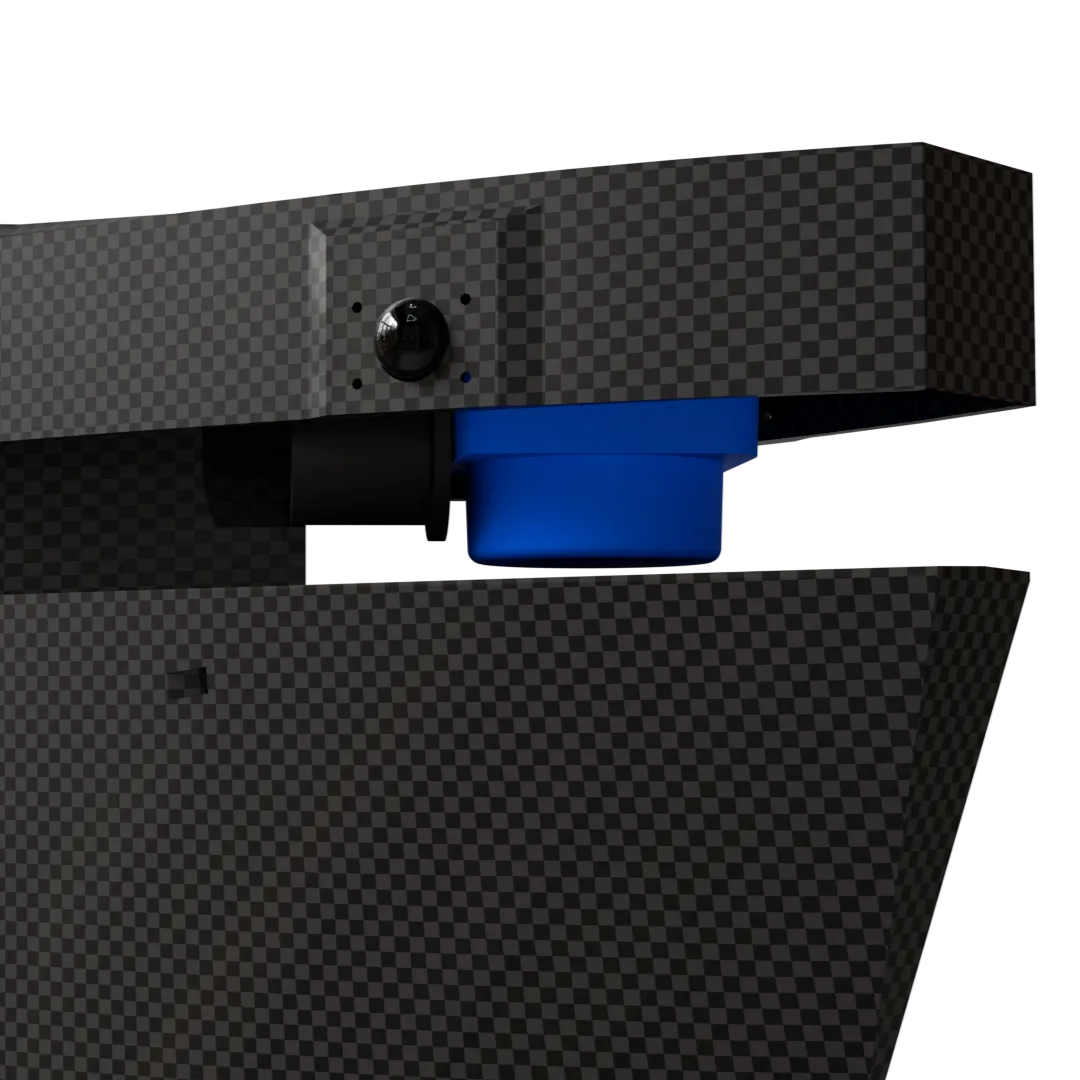
Instead of relying on hull shape alone, Ligmax keeps itself level mechanically. The 1.8 kWh battery — the heaviest component on board — slides fore and aft on linear rails to trim pitch, while linear actuators in the outriggers adjust the righting moment to counter roll.

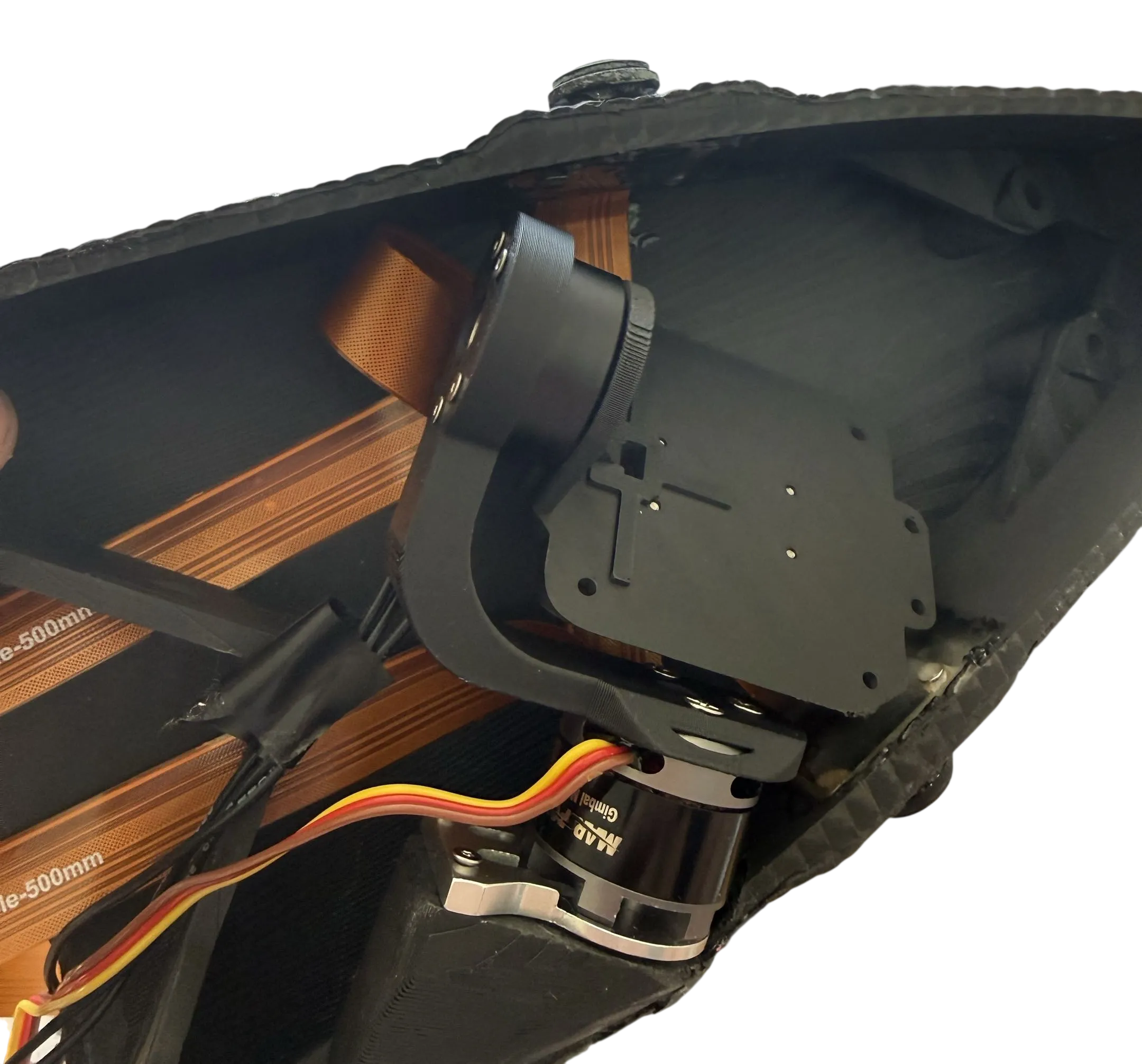
A gimbal-stabilised front lidar completes the system, holding its scan plane horizontal regardless of residual hull motion. The result: clean sensor data in waves, efficient planing at speed, and a composed platform for precision docking.

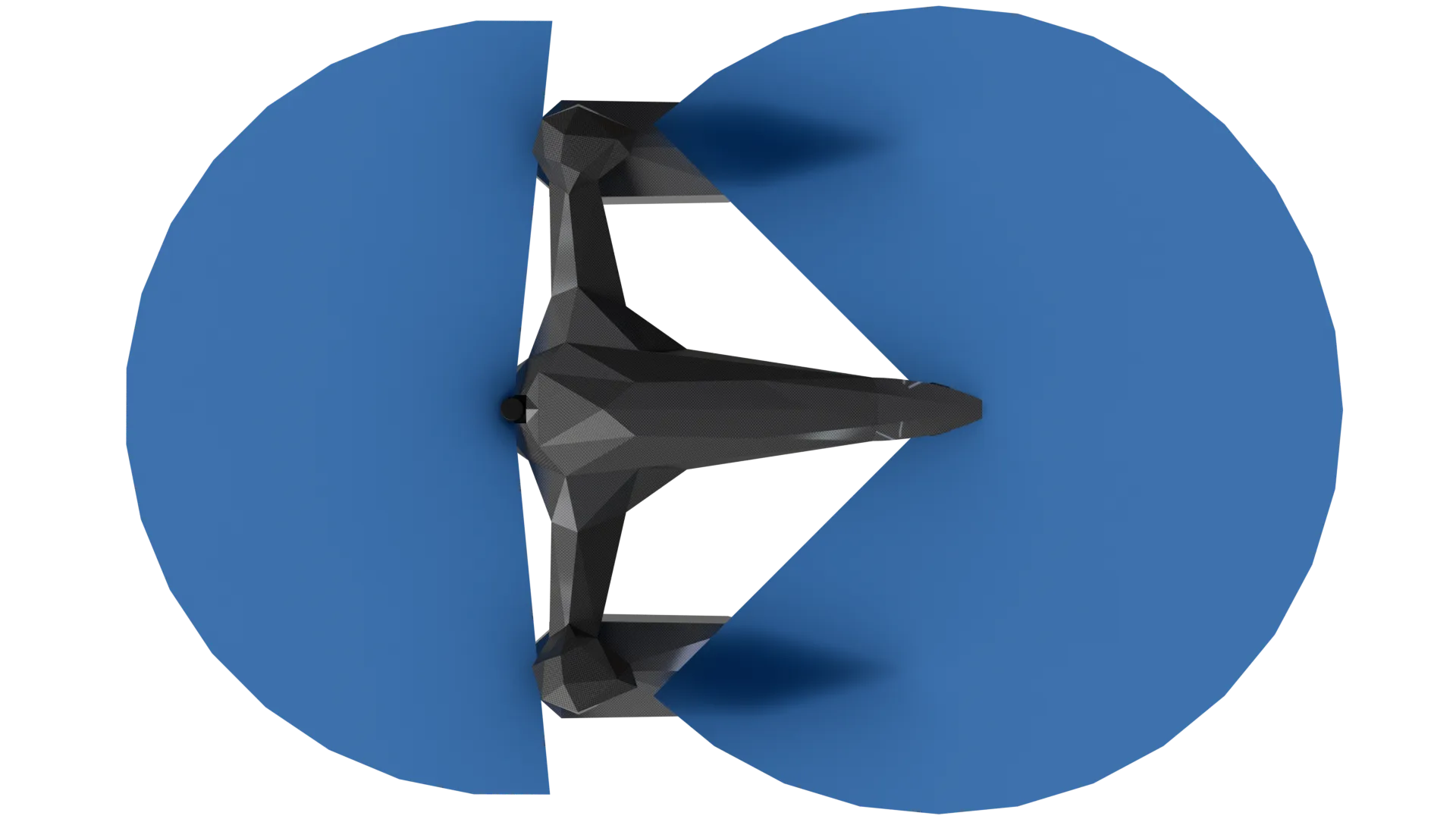
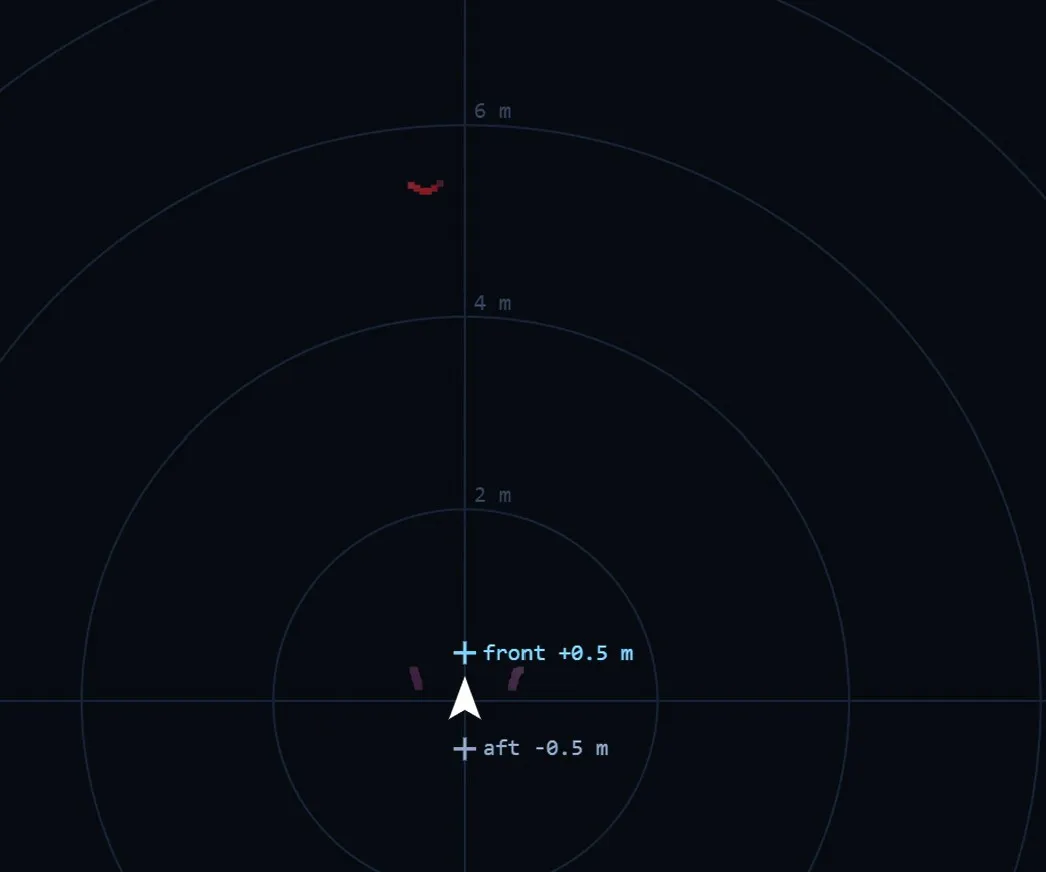
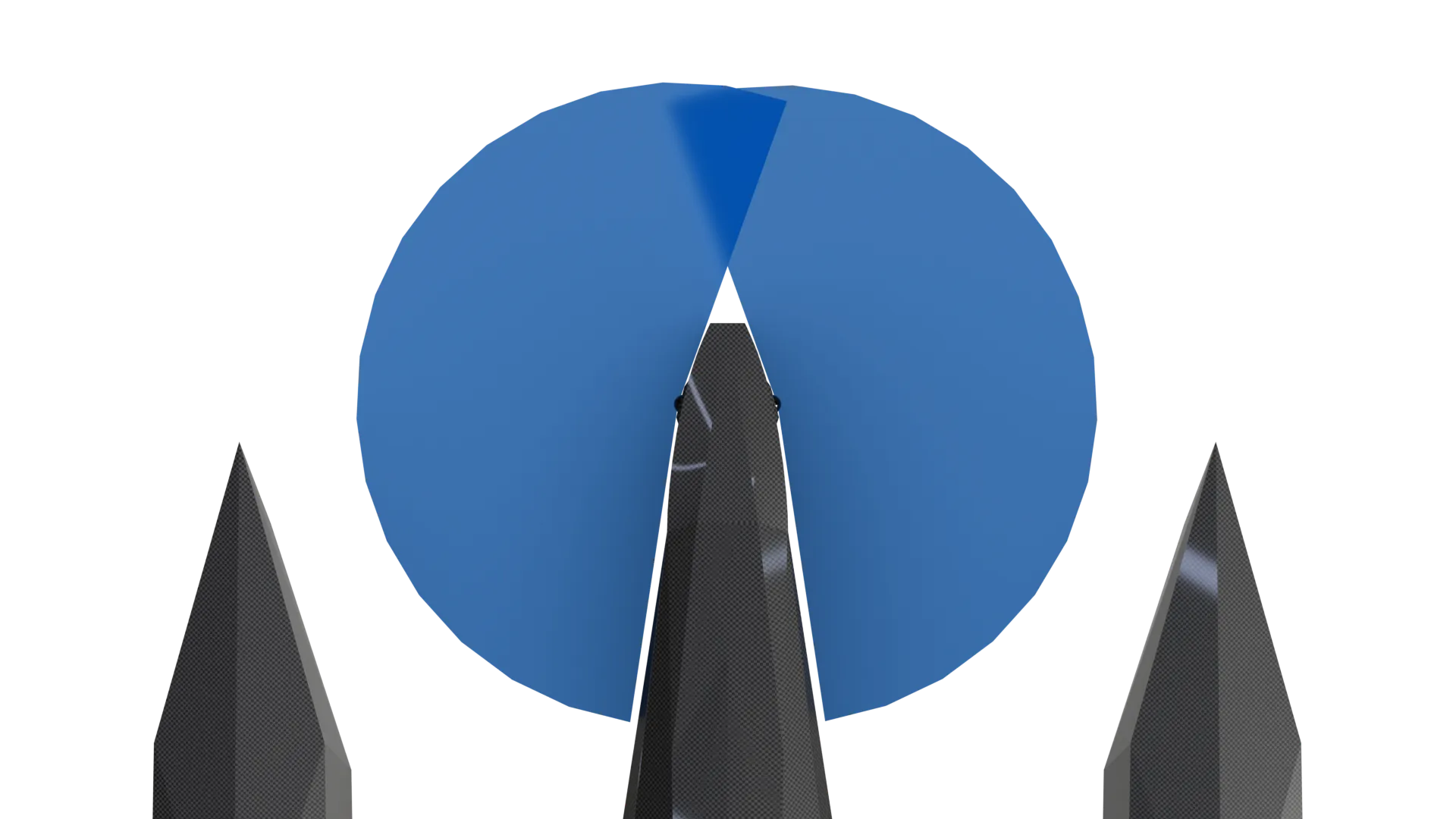
Top-down visualisation of the 360-degree lidar coverage around the vessel
Sensing & autonomy

Layered perception

Two 360° lidars — one gimbal-stabilised at the bow, one aft — give continuous range data on every bearing, while wide-angle cameras add what lidar cannot: colour. Deterministic Euclidean clustering extracts objects from the scans, a probabilistic classifier labels their colour, and a compact convolutional network cross-checks every detection.

Geometry from lidar, class from camera, verified by a neural network — detections that are accurate in position and correct in class.

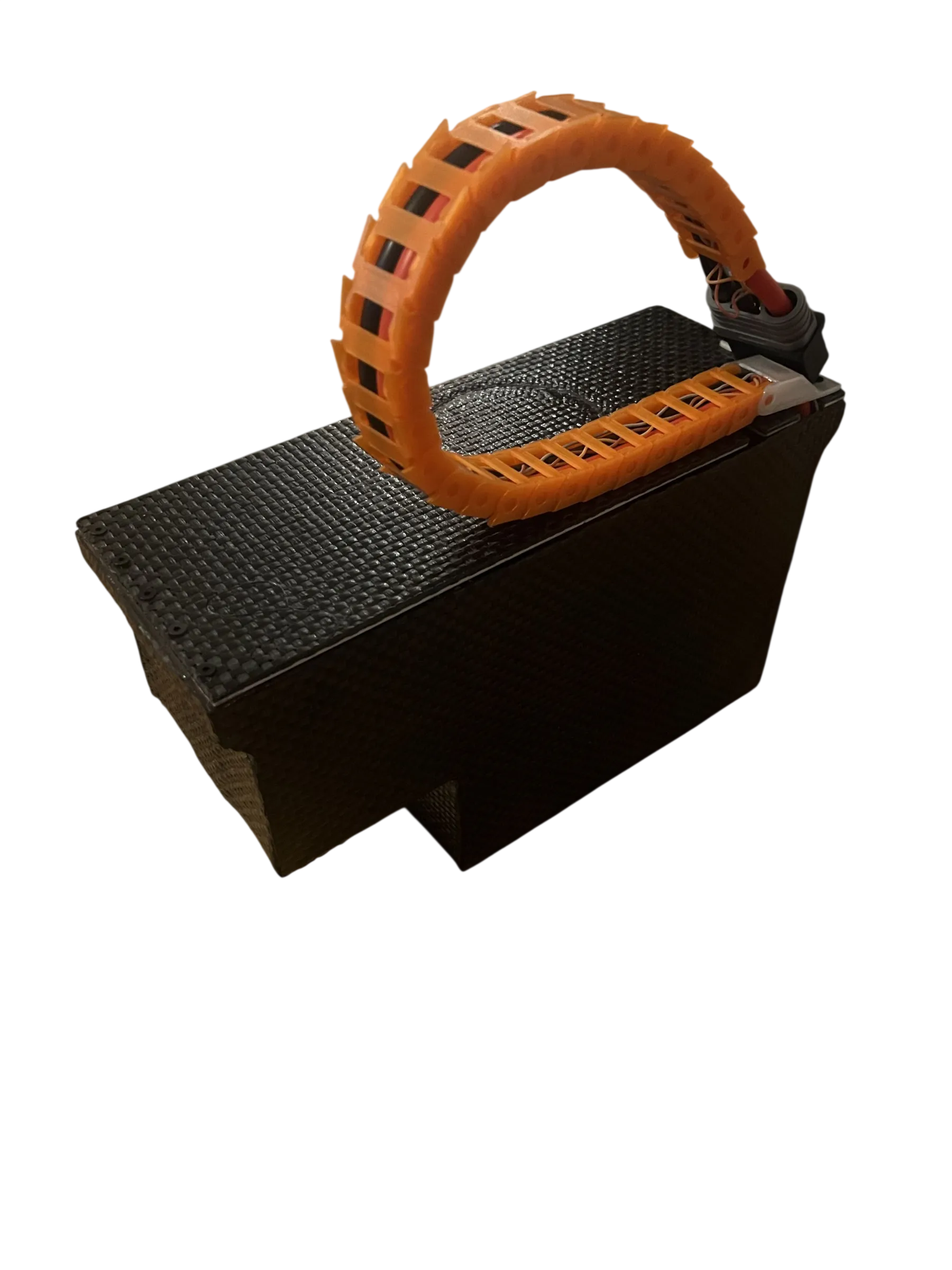
The 12S12P lithium-ion battery pack during assembly
Engineering for the water

Resilient systems & safety

Safety-critical control is deliberately separated from autonomy: a Pixhawk 6C flight controller owns hard-real-time control and failsafes, while a Raspberry Pi 5 and an NVIDIA Jetson Orin Nano Super run planning and perception. All propulsion power routes through a physical emergency-stop safety loop.

The self-built battery lives in a fireproof aluminium-and-steel enclosure with full BMS telemetry, the hull seals with an interlocked powered lid, and three bilge pumps keep the vessel operational even after water ingress. A direct 5G link carries operator video and telemetry, with an independent long-range RC link as backup.

Validated in the lab — headed for the water

Every subsystem has been integrated and bench-tested. Pool trials and full-course testing against real buoys in Trondheim and Oslo complete the campaign ahead of the competition.

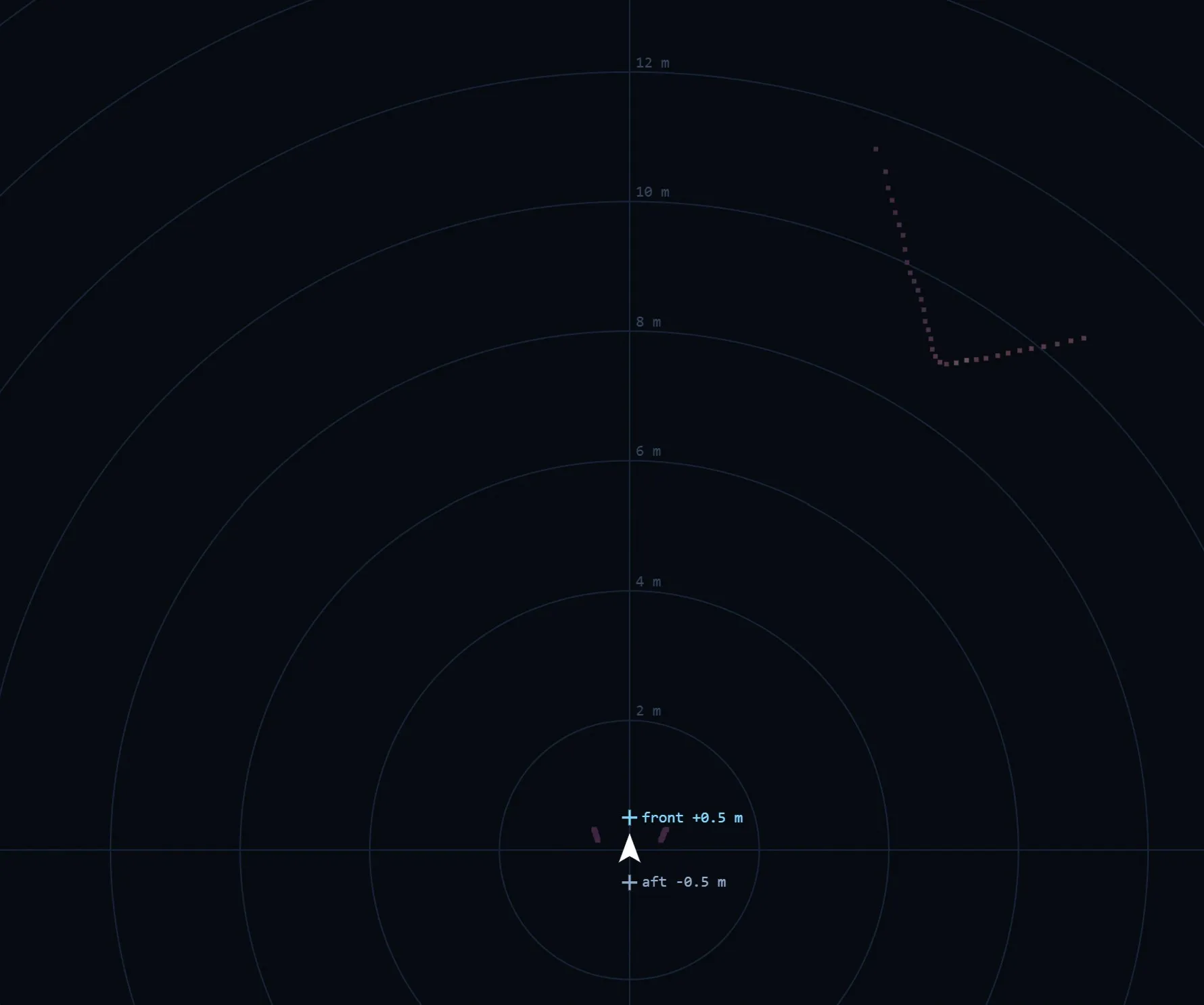
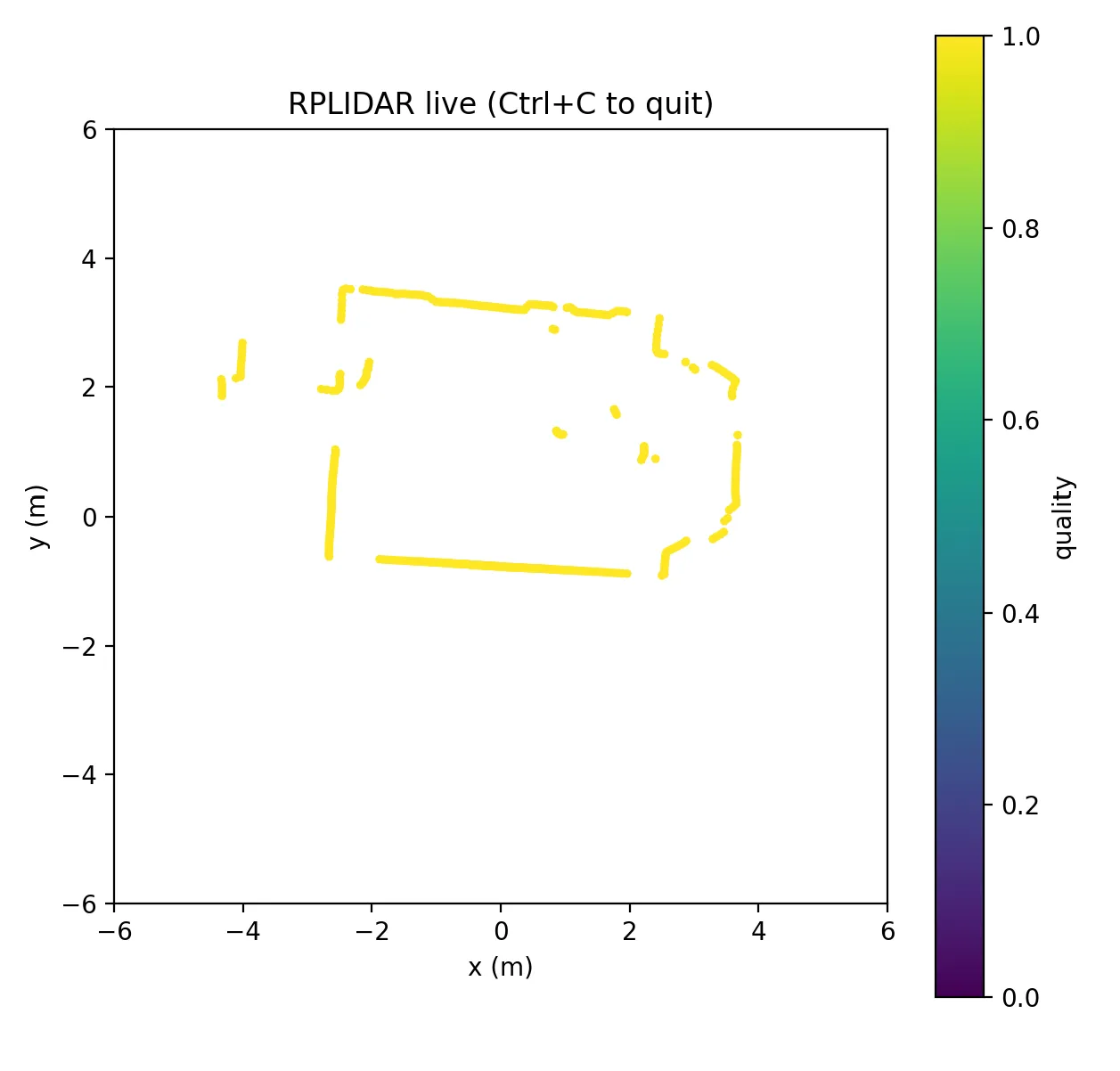
  • Live 2D lidar scan plotted during workshop testing
    Live lidar scan during workshop bench testing
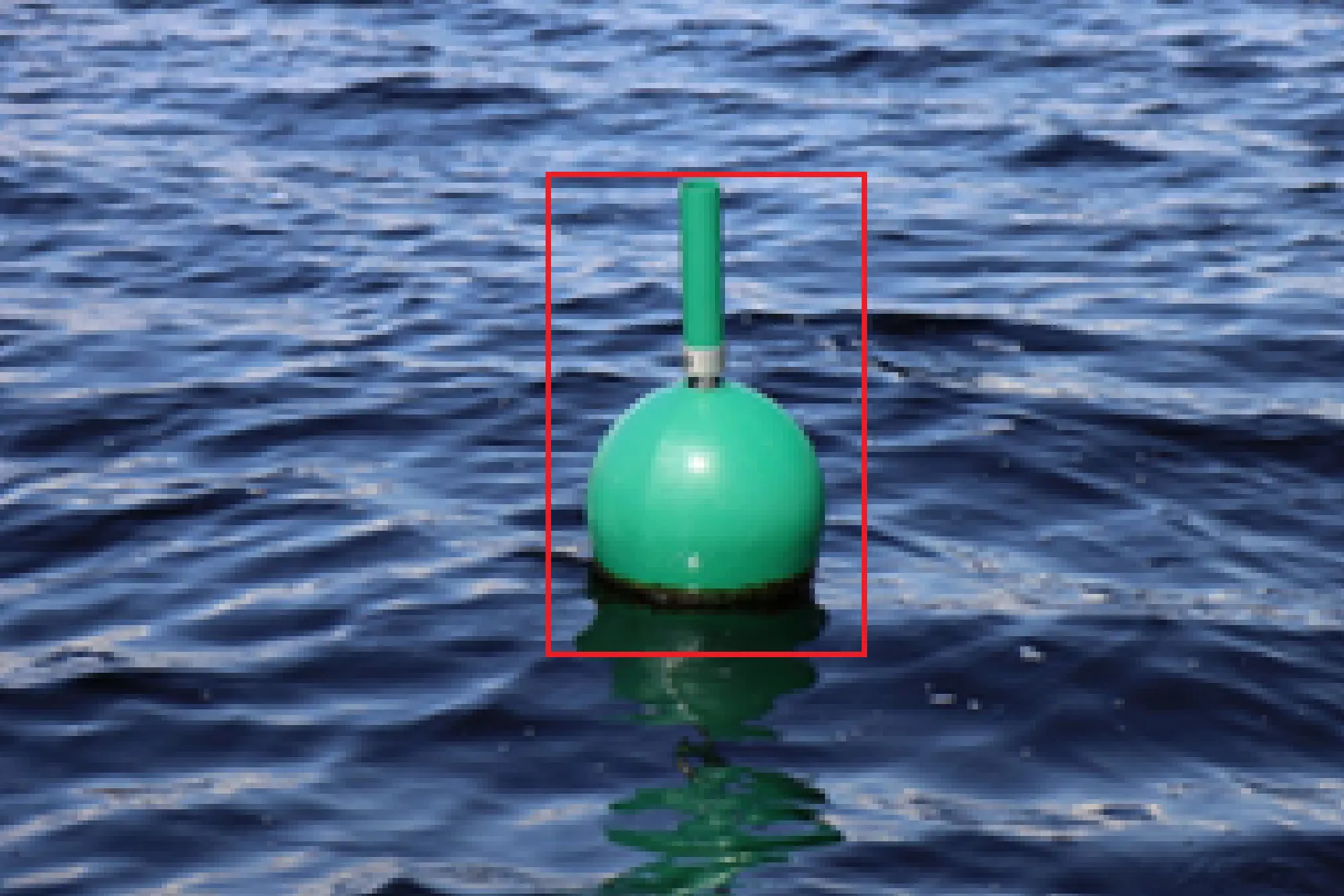
  • Camera image of a green buoy on open water with a detection bounding box
    CNN buoy detection validated on open water
  • Render of the outrigger actuators extending to counter roll
    Roll-trim outrigger actuators, built and exercised
First stop · Njord 2026

The Autonomous Ship Challenge

Njord is the international student competition for autonomous surface vessels, hosted annually in Trondheim by students at NTNU. Teams from around the world design, build and operate their vessels through a series of maritime tasks — judged on autonomy, engineering quality and design. It is the first competition Ligmax enters, with more national and international challenges to follow.

When

10–14 August 2026

Five days of qualification runs, open demo days and finals on Trondheim’s harbour front.

Where

Trondheim, Norway

Raced on the Trondheimsfjord — the world’s first designated test area for autonomous vessels.

The tasks

Fully unmanned operations

Autonomous navigation, collision avoidance and precision docking, performed without human intervention.

The team

Jointly led, jointly built

Ligmax is led and engineered by its two members — students at the NTNU Department of Electronic Systems who share responsibility for every subsystem, from hull lamination to autonomy software.

Members listed in alphabetical order.

  • Portrait of Andreas Lindeman

    Andreas Lindeman

    Co-team lead

  • Portrait of Jacob Hansson

    Jacob Hansson

    Co-team lead